
How Gate Placement Shapes Player Pacing
A look at how ability gates are positioned to control not just access, but rhythm — slowing players down exactly where designers want reflection.
An Alexandria-based archive dedicated to level design, backtracking loops, and the secret passages that reward exploration.
Browse ArchiveNot a wiki, not a walkthrough site — a study of how these worlds are built
We trace how individual rooms connect into loops, gates, and shortcuts that make backtracking feel earned rather than tedious.
Every ability upgrade reshapes the map. We examine how movement mechanics unlock previously inaccessible passages and reframe old areas.
From false walls to sequence-breaking shortcuts, we document the hidden routes that reward players who study the architecture closely.
Reader-submitted maps and annotations feed into our ongoing archive, building a shared record of how these games are actually navigated.
Dig into our breakdowns of level architecture and see the passage you probably walked right past.
Common questions readers send us about design analysis and how we work
We follow the genre's core loop: a interconnected map, ability-gated progression, and backtracking that reveals new routes. Some entries are debatable, and we flag those cases openly in the write-up.
Yes. Alongside genre pillars, we regularly cover overlooked and regional releases whose level design deserves closer attention, even if they never got wide coverage elsewhere.
Through repeated playthroughs, map overlays, and cross-referencing player-submitted notes. We credit community cartographers whenever their findings inform an article.
No. We focus on design analysis — why a passage exists, how it reshapes pacing, what it teaches the player — rather than step-by-step completion guides.
Yes, reader submissions are welcome through the community section. Notable contributions have shaped several of our published breakdowns.
I've replayed the same game three times just to check the routing claims made in one article. Every time, the map notes held up. That level of detail is rare.
The breakdown on gate placement changed how I think about backtracking entirely. I used to see it as filler, now I notice the pacing logic behind it.
Found a passage in an old favorite I'd missed for years thanks to one of the annotated maps here. Small thing, but it stuck with me for days.
A rotating set of titles our writers are mapping room by room
Its layered map design and quiet environmental storytelling make it a recurring reference point for how gating can feel organic rather than restrictive.
An early ancestor of the genre's dual traversal ideas, mixing top-down and side-scrolling exploration in ways rarely discussed outside retro circles.
A compact, tightly-wound map from a solo developer that packs dense secret-passage design into a fraction of the runtime of bigger titles.
Known for punishing, puzzle-laced backtracking, its ruins reward players who take notes as seriously as they take reflexes.
A lesser-cited action-exploration hybrid whose branching paths and hidden rooms respond directly to player choices in subtle ways.
Its dimension-shifting mechanic doubles the usable map space, creating overlapping secret routes that only reveal themselves once both worlds are compared.
Recent breakdowns and ongoing map studies from the archive
A look at how ability gates are positioned to control not just access, but rhythm — slowing players down exactly where designers want reflection.

Tracing how hidden breakable walls evolved from blind guesswork to deliberately hinted design across generations of exploration games.
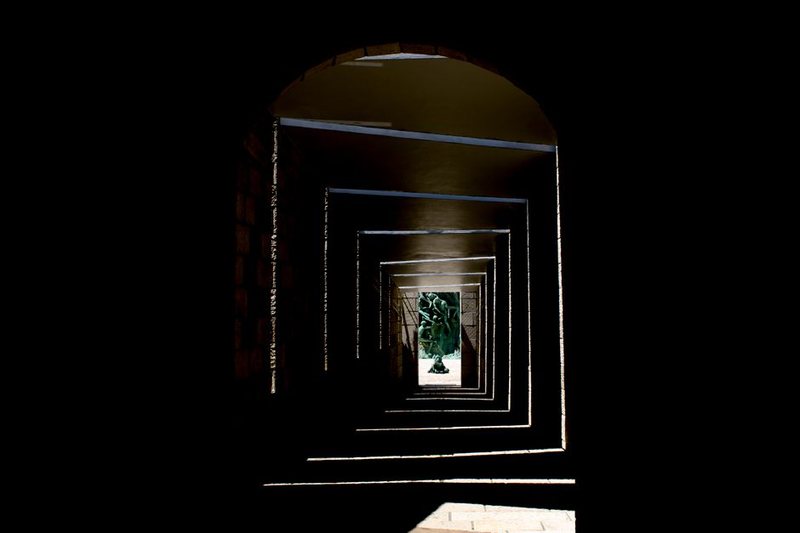
What in-game maps reveal about intended routes, and how experienced players start theorizing shortcuts before touching the controller.

An examination of how a single mobility upgrade recontextualizes previously seen rooms and reframes earlier exploration decisions.

A roundup of community-submitted route annotations, including a few passage discoveries our own writers had missed entirely.